
How Can a Maid Outfit Feel Iconic Without Looking Like a Cheap Costume?
Article Summary
A maid outfit should do two things at once: deliver a clean, recognizable silhouette and still feel comfortable, flattering, and durable in real life. Whether you’re buying for cosplay, content creation, themed events, or staff uniforms, the usual pain points are the same—scratchy lace, see-through fabric, awkward sizing, flimsy closures, and “one-wear” quality that falls apart after a wash. This guide breaks down how to choose a maid outfit that photographs well, moves well, and lasts, plus how to plan customization (fabric, trims, sizing, logos) and what to ask your supplier before you pay.
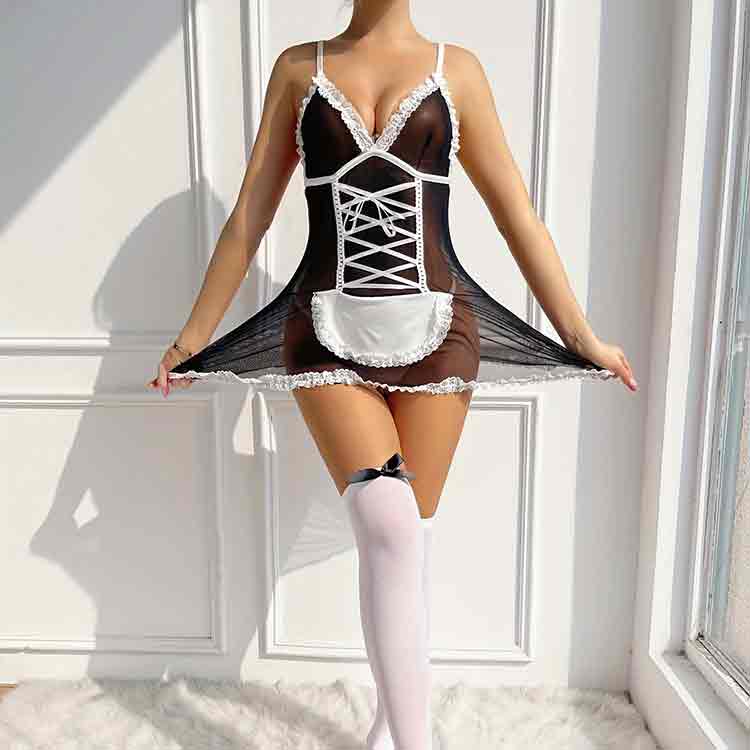
Table of Contents
- The real problems buyers run into
- Choosing the right outfit for your use case
- Fabric and comfort that won’t betray you on camera
- Fit and sizing the way professionals do it
- Details that separate “premium” from “party-store”
- Customization options that actually matter
- Care and washing so it stays crisp
- Bulk orders and uniform programs
- FAQ
Outline
- Identify the most common purchase regrets (comfort, opacity, durability, sizing).
- Match style details to your scenario (cosplay, events, uniforms, studio shoots).
- Evaluate fabrics, linings, and finishing for comfort and longevity.
- Use a measurement-first sizing approach and reduce returns.
- Choose closures, trims, and construction that hold up after repeated wear.
- Plan customization: colors, lace, embroidery, sizing, and packaging.
- Follow care practices that keep the outfit sharp and photo-ready.
The Real Problems Buyers Run Into
Most people don’t regret buying a maid outfit because of the concept—they regret it because of execution. The outfit arrives and one of these happens:
- “It looks cute… but it feels awful.” Lace scratches, seams rub, and stiff fabric restricts movement.
- “Why is this see-through under light?” Thin fabric and no lining turn bright lighting into a surprise.
- “The fit is weird.” Bust fits but waist doesn’t; shoulders slide; apron sits too high or too low.
- “It photographs cheap.” Glossy polyester shine, wrinkly apron, uneven trims, limp bows.
- “One wash and it’s over.” Dye bleeding, lace curling, snaps popping, elastic stretching out.
If you want a maid outfit that feels intentional—not disposable—your checklist has to go beyond “black dress + white apron.” You’re buying comfort engineering, construction, and a silhouette that holds shape.
Choosing the Right Outfit for Your Use Case
A maid outfit that works for a quick photoshoot might fail for an 8-hour event, and a uniform-focused set might look too plain for cosplay. Start by picking your “priority stack.”
| Use Case | Top Priorities | What to Avoid |
|---|---|---|
| Cosplay & conventions | Accurate silhouette, strong seams, breathable fabric, secure closures | Itchy trims, weak zippers, stiff fabric that creases badly |
| Content creation & studio shoots | Opacity under lighting, clean whites, wrinkle resistance, flattering cut | Shiny fabric glare, thin apron, lace that curls on camera |
| Themed parties & events | Comfort, easy dressing, durable details, adjustable fit | Complicated ties, fragile accessories, tight armholes |
| Staff uniforms (cafés, promotions) | Consistency, easy care, size range, reinforced stress points | Delicate trims that snag, fabrics that hold odors, poor colorfastness |
Once you know the scenario, you can choose the right “type” of maid outfit—classic apron style, puff-sleeve dress, pinafore-style, or modern minimal sets with cleaner lines.
Fabric and Comfort That Won’t Betray You on Camera
Fabric is where most “cheap costume” vibes come from. A maid outfit needs structure and drape at the same time—structure for the silhouette, drape for movement. Here’s what to look for:
- Opacity: Hold the fabric up to a bright light. If you can read text through it, it will show on camera.
- Breathability: For long wear, a breathable blend (or a lined design with airflow) matters more than you think.
- Wrinkle behavior: Aprons should stay crisp. If the white portion wrinkles instantly, you’ll spend your day steaming.
- Skin feel: Trims touch your neck, wrists, and thighs—soft edges and clean finishing prevent irritation.
A practical rule: if the outfit includes bright white panels (apron, cuffs, collar), ask how the supplier prevents yellowing and color transfer during washing and storage. Good white fabric and proper dye control are not optional in a black-and-white outfit.
Fit and Sizing the Way Professionals Do It
Sizing is the #1 reason people feel disappointed even when the outfit is “technically” the right size. Maid outfits often have fitted waists, structured bodices, and specific sleeve shapes—so you need a measurement-first approach.
| Measurement | How to Measure | Why It Matters |
|---|---|---|
| Bust | Measure the fullest part, tape parallel to the floor | Prevents gaping, stress on seams, and “flattening” |
| Waist | Measure your natural waist (not where jeans sit) | Controls silhouette and comfort for long wear |
| Hip | Measure the fullest part of hips | Avoids pulling, riding up, and zipper strain |
| Shoulder width | From shoulder point to shoulder point across the back | Stops slipping sleeves and tight armholes |
| Dress length | From shoulder down to desired hem | Determines proportions (cute vs elegant vs modest) |
If you’re ordering for a group (or selling), prioritize designs with adjustable apron ties, elasticized back panels, or multiple closure points. Those features reduce returns and keep people comfortable across different body shapes.
Details That Separate “Premium” From “Party-Store”
Small construction choices make a huge visual difference. When a maid outfit looks expensive, it’s usually because the details were designed to survive real movement and real washing.
- Closures: A sturdy zipper (or quality buttons) beats thin hook-and-eye closures that pop under tension.
- Apron structure: A slightly thicker apron fabric or interfacing helps it sit flat and look crisp.
- Trim alignment: Lace and ribbon should be symmetrical—uneven trims scream “mass costume.”
- Reinforced stress points: Underarm seams, waist seams, and tie attachment points should be strengthened.
- Comfort finishing: Clean seam finishing reduces itch and extends the garment’s life.
Accessories are another trap. Headpieces, bows, and cuffs can either elevate the look or look like flimsy add-ons. If you want the outfit to feel cohesive, ask for accessories made from matching or coordinating materials (not random shiny satin).
Customization Options That Actually Matter
Customization is where a maid outfit becomes your maid outfit—especially for brands, shops, creators, and uniform programs. A capable manufacturer will offer meaningful options beyond “pick a size.”
- Fabric swaps: Adjust thickness, stretch, or breathability depending on climate and wear time.
- Color matching: Keep blacks deep and whites clean for consistent brand visuals across batches.
- Trim selection: Choose lace width, pattern, and softness to control both comfort and aesthetics.
- Pattern adjustments: Modify hem length, sleeve style, neckline shape, and apron coverage.
- Branding: Add embroidery, woven labels, care labels, or discreet logo placement for uniforms.
- Packaging: Individual bags, size stickers, fold boards, or gift-ready presentation for retail.
This is where working with an experienced apparel partner makes life easier. Hongxing Clothing Co., Ltd. supports maid outfit projects that need consistent cutting, stable dye control, and repeatable quality—especially when you’re ordering multiple sizes or planning reorders. A reliable factory should be able to explain how they handle size grading, fabric testing, and workmanship checks, not just show pretty photos.
Care and Washing So It Stays Crisp
If you want your maid outfit to keep its shape and contrast, treat it like a real garment—not a disposable costume. These habits prevent 90% of “it looked great once” problems:
- Separate dark and white items: Wash dark pieces carefully to avoid color transfer onto white aprons or collars.
- Use a laundry bag for trims: Lace and ribbons snag easily in washing machines.
- Avoid high heat: High heat can warp synthetic trims and cause shrinkage in some fabrics.
- Steam instead of iron when possible: Steaming helps preserve texture and prevents shine marks.
- Store flat or on a shaped hanger: Prevents deep creases in aprons and bodices.
For uniforms and frequent wear, consider ordering an extra apron per outfit. Aprons take the most visible wear and benefit from rotation.
Bulk Orders and Uniform Programs
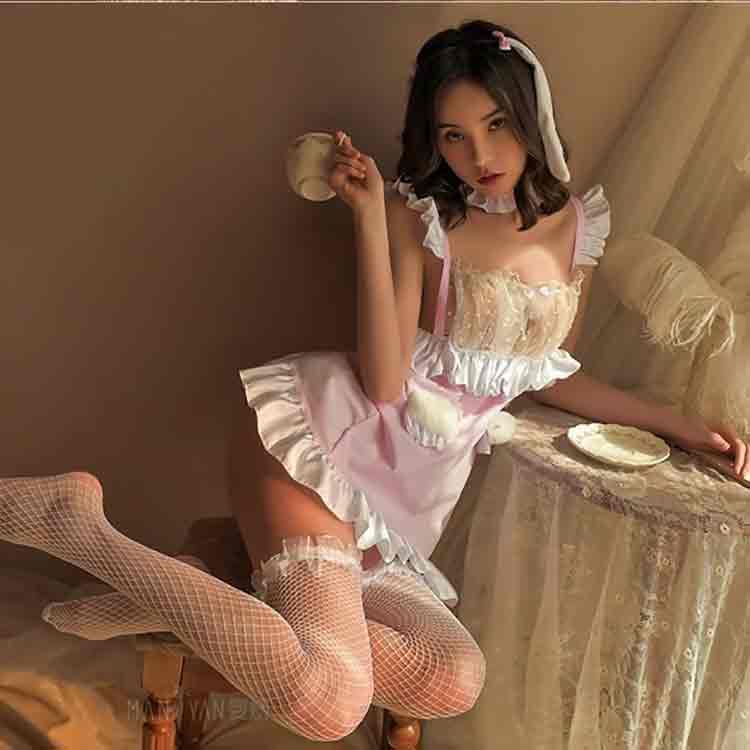
If you’re buying for a café, event team, promotion staff, or resale, your biggest pain points change: you need consistency, predictable delivery, and fewer sizing surprises.
- Request a pre-production sample: Check fit, opacity, trim softness, and apron crispness under the lighting you’ll actually use.
- Confirm size grading: Make sure sizes scale logically (not just “bigger everywhere” in a sloppy way).
- Ask about reorder consistency: Fabric lots, trim sources, and color matching should be controlled.
- Plan a size curve: Order a realistic distribution of sizes based on your team or customer data.
- Agree on quality checks: Seams, closures, trim alignment, and stains should be screened before packing.
A clean process saves money because it prevents the quiet expenses—returns, last-minute replacements, and unhappy team members who feel uncomfortable in their uniform.
FAQ
Q: How do I know if a maid outfit will be see-through?
A: Look for lining in the dress body, and choose apron fabric that stays opaque under bright light. If you’re ordering online, ask for real photos under strong lighting or short video clips showing fabric opacity.
Q: What makes a maid outfit comfortable for long wear?
A: Soft trims, breathable fabric, non-restrictive armholes, and adjustable apron ties. Comfort also depends on seam finishing—clean seams reduce itching and rubbing.
Q: Which details make it look more “premium” in photos?
A: Crisp apron structure, symmetrical trim placement, deep non-faded black, and accessories that match the garment fabric. Avoid overly shiny materials that glare under lighting.
Q: Can I customize the design for my brand or team?
A: Yes—common options include fabric changes, hem length, sleeve style, lace pattern, embroidery, woven labels, and custom packaging. The key is to confirm what changes affect fit and production timelines.
Q: What should I ask a supplier before placing a bulk order?
A: Ask about sampling, size grading, color consistency, trim sourcing, workmanship checks, and how reorders are matched to previous batches.
Q: How do I reduce sizing issues when ordering online?
A: Use a measurement-first method (bust/waist/hip/shoulder/length), not just a letter size. If you’re between sizes, prioritize bust and shoulder comfort, then use apron ties to refine the waist silhouette.
Final Thoughts
A maid outfit shouldn’t punish you for wanting something cute. When you choose the right fabric, fit, and construction—and treat the apron and trims like important design elements instead of afterthoughts—you get a set that looks iconic, feels comfortable, and stays sharp after repeat wear.
If you’re planning a custom run, a uniform program, or simply want a better-made option that avoids the usual “costume” pitfalls, contact us at Hongxing Clothing Co., Ltd. and tell us your use case, target look, and quantity—we’ll help you build a maid outfit that holds up in real life, not just in the product photos.
Send Inquiry


X
We use cookies to offer you a better browsing experience, analyze site traffic and personalize content. By using this site, you agree to our use of cookies.
Privacy Policy