
Why Do Shaping Pants Feel So Different on Every Body?
2025-12-31
Summary: Shaping pants can be a confidence boost—or a frustrating, roll-down, pinch-at-the-waist situation. If you’ve ever wondered why the same pair looks amazing on someone else but feels “off” on you, you’re not imagining it. Comfort and results depend on compression mapping, rise height, waistband engineering, fabric recovery, and getting the size strategy right for your specific goal. This guide breaks down common pain points (rolling, digging, visible lines, overheating, sizing confusion) and shows you how to choose shaping pants that actually work for real life—sitting, walking, eating, traveling, and using the restroom without a wrestling match.
Table of Contents
- The real reasons shaping pants disappoint
- How shaping pants work without feeling like armor
- What to look for before you buy
- Fit and sizing that won’t ruin your day
- Picking the right style for your outfit and body goals
- Care tips to keep compression consistent
- A quick note for brands sourcing shaping pants
- FAQ
Outline
- Identify the pain point (roll-down, digging, lines, heat, sizing).
- Match the support level to your real-life routine (desk day vs. event night).
- Choose the right rise, leg length, and edge finish for your outfit.
- Use measurements to pick size—then test movement (sit, bend, breathe).
- Maintain performance with proper care and rotation.
The real reasons shaping pants disappoint
Most people blame themselves when shaping pants don’t “work.” The truth is, the product design often doesn’t match your body’s pressure needs. Bodies aren’t flat panels; they’re moving structures. Your waist compresses differently when you sit. Your abdomen expands when you eat. Your thighs shift when you walk. If shaping pants don’t account for that movement, you get roll-down, pinching, or that weird “sausage casing” feeling.
Here are the most common pain points—and what usually causes them:
| Pain point | Why it happens | What to look for | Quick fix |
|---|---|---|---|
| Roll-down at the waist | Waistband is too narrow, too stiff, or rise is wrong for your torso length | Wide waistband, anti-slip grip, better rise options (mid/high/extra-high) | Try a higher rise or size up for comfort, then rely on targeted panels |
| Digging into ribs or hips | Compression is uniform instead of mapped; edges are hard-finished | Graduated compression, bonded or laser-cut edges, softer top band | Avoid “maximum” support for daily wear; go medium with better engineering |
| Visible lines under dresses | Thick seams, grippy bands placed at the wrong spot, short leg length | Seamless knit zones, longer shorts, smooth hem finishing | Match hem placement to your outfit (avoid ending at the widest point) |
| Overheating or sweaty discomfort | Dense fabric with poor airflow; no moisture management | Breathable knit structure, lighter “cool-touch” fabrics, airflow zones | Pick lighter support for daily wear; rotate pairs and allow rest time |
| Sizing feels impossible | Brand charts vary; your waist/hip ratio doesn’t match “standard” patterns | Clear charts, multiple rises, stretch recovery that doesn’t relax quickly | Choose size by your larger measurement and aim for smooth support |
Reality check: Shaping pants are for smoothing and support—not for changing your body overnight. The “best” pair is the one you can wear comfortably for the length of your event (or your whole day) without adjusting every five minutes.
How shaping pants work without feeling like armor
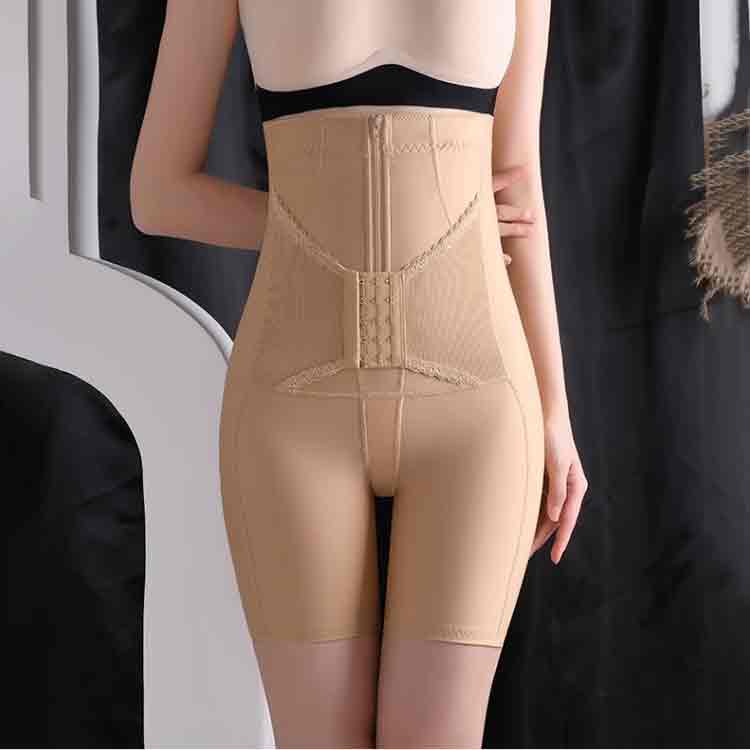
Great shaping pants aren’t just “tight.” They’re engineered. Think of them as a fabric system that applies different levels of pressure to different zones. The goal is to smooth transitions (waist to hip, hip to thigh), create stability during movement, and reduce the visual “breaks” that show through clothes.
- Compression mapping: More support where you want smoothing, less where you need flexibility (like the top edge when you sit).
- Fabric recovery: The ability to bounce back after wear, so the fit stays consistent instead of relaxing by noon.
- Edge engineering: Smooth hems and waist finishes reduce visible lines and irritation.
- Rise + torso match: A “perfect” high waist on one person can be rib-level on another.
If you’ve only tried ultra-stiff pairs, it’s normal to assume all shaping pants are uncomfortable. But many modern options focus on breathable stretch blends and more flexible waist structures, which can feel supportive without feeling restrictive.
What to look for before you buy
Instead of chasing the “most compression,” start with your real goal. Are you trying to smooth under a clingy dress? Stabilize your core for long hours on your feet? Reduce thigh rubbing? Lift and shape under jeans? Different goals call for different builds.
Use this quick checklist:
- Support level: light (everyday smoothing), medium (events + all-day), firm (shorter wear windows).
- Waistband design: wider is usually kinder; look for a structure that stays flat when you sit.
- Leg length: choose a hem that won’t cut at the widest part of your thigh.
- Breathability: airflow knit, lighter yarns, or “cool-touch” fabrics if you run warm.
- Seam strategy: seamless zones or bonded edges for smooth outfits.
- Bathroom practicality: think honestly about how long you’ll wear them and where you’ll be.
One more thing people overlook: if you constantly “size down” for stronger shaping, you can increase roll-down and discomfort—because the waistband fights your movement. Often, the smarter choice is your true size (or even one size up) paired with better targeted panels.
Fit and sizing that won’t ruin your day
If shaping pants feel painful within minutes, something is off—either the size, the rise, or the compression style. A good fit should feel like steady support, not like you’re holding your breath. Use these steps to make sizing far less dramatic:
- Measure waist and hip: waist at your narrowest point (or where the waistband will sit), hips at the fullest part.
- Choose size by your larger number: especially if you have a bigger hip-to-waist difference.
- Do a movement test: sit, bend, step up, and take a deep breath. If the top edge folds, you likely need a different rise or waistband structure.
- Plan for real life: if you’ll wear them all day, prioritize medium support with better breathability.
| Area | How to measure | What it affects | Tip |
|---|---|---|---|
| Waist | Measure where the top of the shaping pants will sit | Roll-down risk, comfort when sitting | If you’re between sizes, don’t punish your ribs—go up |
| Hips | Measure the fullest part | Leg squeeze, seam stress, overall fit | Pick size by hips if your waist is smaller than average |
| Thigh | Measure upper thigh where the hem will sit | Visible lines, chafing control | Avoid hems at the widest part under tight fabrics |
| Torso length | Note where “high waist” lands on you | Rise comfort, rib pressure | If high waist feels too high, choose mid-rise or a softer top band |
Picking the right style for your outfit and body goals
“Shaping pants” is a broad category. A pair designed for tummy smoothing under a dress can feel totally different from a butt-lifting style meant for denim. Here’s how to match style to scenario without buying a drawer full of regrets:
- For clingy dresses: prioritize smooth edges, seamless knit zones, and a longer short length to reduce lines.
- For jeans and trousers: look for shaping pants with targeted lift zones and stable compression that won’t slide during walking.
- For hot climates or summer events: choose lighter, breathable fabrics (often marketed as cool-touch or airy knit) instead of maximum compression.
- For long sitting days: a softer top band and graduated compression usually beats stiff “firm hold.”
- For postpartum support goals: prioritize comfort, gentle stability, and flexible sizing—your body may change week to week.
The big secret? Most discomfort issues come from the top edge and the leg hem, not the middle. If the waistband stays flat and the leg opening lies smooth, the rest of the garment usually behaves.
Comfort test you can do at home: Wear shaping pants for 10 minutes and do 5 actions—sit, stand, bend, climb a step, and take 3 slow deep breaths. If you need to adjust after each action, it’s not the right build for that day.
Care tips to keep compression consistent
Shaping pants rely on elastic fibers and knit structure. Harsh washing and high heat can weaken recovery and change the way compression feels. If you want the fit to stay reliable:
- Use gentle cycles: cold or cool water, mild detergent, and a laundry bag if possible.
- Avoid high heat: heat can break down stretch fibers faster than you think.
- Rotate pairs: give your shaping pants time to recover between wears.
- Skip fabric softener when possible: it can affect performance fabrics over time.
A well-made pair should keep its shape after repeated wear, but every elastic garment benefits from kinder care. Treat your shaping pants like performance wear, not like a basic cotton tee.
A quick note for brands sourcing shaping pants
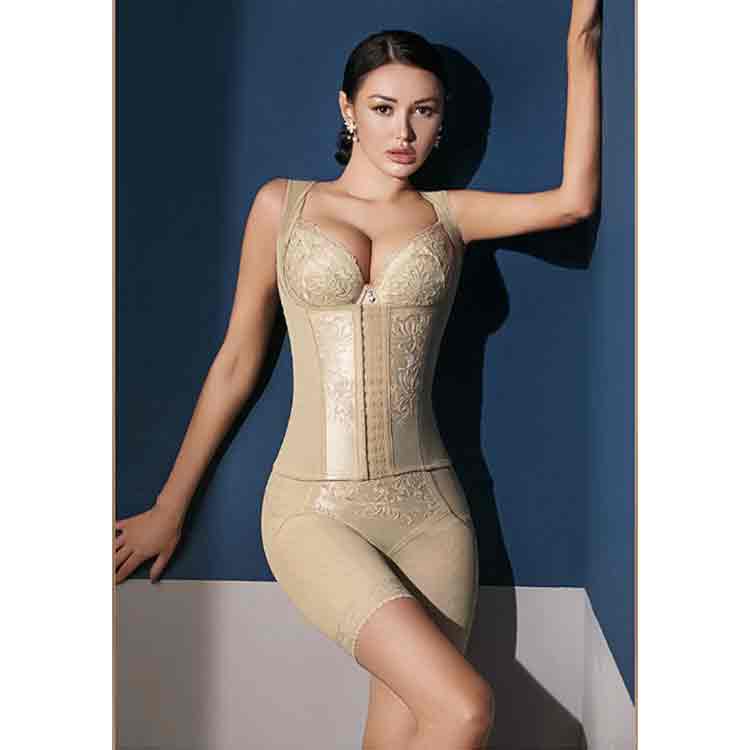
If you’re building a shapewear line, the “feel” of shaping pants is where customers decide to keep or return. That means you’ll want consistent pattern grading, stable fabrics, and quality checks that focus on stretch recovery and seam performance—not just appearance on a hanger.
Hongxing Clothing Co., Ltd. develops shaping pants across multiple styles (from tummy-smoothing and seamless compression looks to breathable, warm-weather options) with an emphasis on wearable support. For private label and wholesale programs, it helps to discuss:
- Target customer routine: all-day comfort vs. event wear
- Preferred rise and size range: more options reduce returns
- Edge finishing needs: seamless hems, bonded edges, or classic seams
- Fabric feel goals: smooth, breathable, or stronger hold
When product expectations are clear, shaping pants become a repeat purchase instead of a one-time experiment.
FAQ
Q: Should I size down for stronger shaping?
A: Not automatically. Sizing down often increases roll-down, digging, and discomfort. For most people, the best results come from the correct size paired with targeted support zones and a stable waistband.
Q: Why do shaping pants roll down when I sit?
A: Sitting changes torso angles and compresses soft tissue. If the waistband is narrow, overly stiff, or the rise is wrong for your torso length, the top edge can fold and roll. A wider, smoother waistband and the right rise usually fix this.
Q: How can I avoid lines under a bodycon dress?
A: Choose shaping pants with seamless zones or smoother hems, and select a leg length that ends where your dress fabric is less clingy. Avoid hems that stop at the widest part of your thigh.
Q: Are breathable shaping pants actually effective?
A: Yes—effective doesn’t always mean “thick.” Breathable fabrics can still smooth and support when the compression is mapped correctly and the material has good recovery.
Q: Can I wear shaping pants every day?
A: Many people do, especially with light-to-medium support styles designed for comfort and movement. If you plan daily wear, prioritize breathability, a gentle waistband, and a fit that doesn’t restrict breathing or cause numbness.
Q: What’s the fastest way to know if a pair is “right”?
A: Do the movement test: sit, bend, step, and breathe deeply. If it stays in place and you forget it’s there after a few minutes, you’ve probably found the right shaping pants for that occasion.
Final take
The best shaping pants don’t “fight” your body—they work with it. Once you match support level, rise height, breathability, and edge finishing to your daily routine and outfit goals, comfort stops being a gamble. And when comfort is right, confidence tends to follow.
If you’re looking to develop or source shaping pants that customers can actually wear (and reorder), reach out to Hongxing Clothing Co., Ltd.—tell us your target fit, fabric feel, and style goals, and contact us to start your next collection with fewer returns and happier wearers.


X
We use cookies to offer you a better browsing experience, analyze site traffic and personalize content. By using this site, you agree to our use of cookies.
Privacy Policy